Get Shrubs Trimming
Shrubs trimming services help property owners maintain healthy, attractive landscapes by shaping overgrown plants, removing dead branches, and preventing potential damage.
Properly maintained shrubs can enhance the overall appearance and value of a property, making them an important consideration for many property owners. Regular trimming helps ensure shrubs stay healthy, prevent overgrowth, and maintain a neat, attractive landscape. Whether planning routine upkeep or a more extensive shaping project, property owners in the area can find experienced local contractors ready to assist with professional shrub trimming services.
Exploring local options allows property owners to compare the expertise and offerings of different service providers to find the best fit for their needs. Connecting with qualified local contractors ensures that shrub trimming work is handled efficiently and to the desired standards. Keep reading to discover how these professionals can help maintain and improve outdoor spaces effectively.
- Shrubs Trimming - when overgrown or unruly shrubs affect the appearance of a property.
- Hedge Shaping - to maintain formal or decorative boundaries around gardens and landscapes.
- Bush Pruning - to promote healthy growth and remove dead or damaged branches.
- Landscape Maintenance - as part of regular yard upkeep to keep shrubs neat and controlled.
- Storm Cleanup - after severe weather to remove damaged or fallen shrubbery.
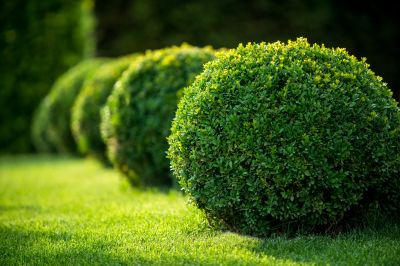
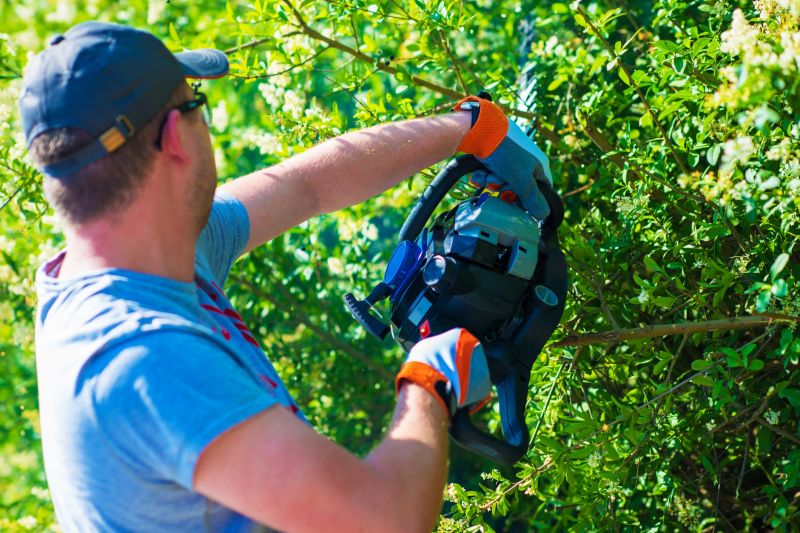
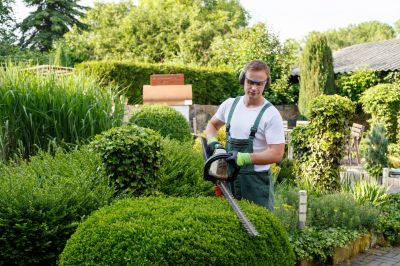
Shrubs trimming services involve carefully shaping and reducing the size of bushes and shrubs to maintain their health and appearance. This process typically includes removing overgrown branches, dead or damaged foliage, and any unruly growth that can detract from the property's curb appeal. Proper trimming encourages healthy growth, prevents disease, and ensures that shrubs do not become invasive or obstruct pathways, windows, or outdoor living areas. Service providers use specialized tools and techniques to achieve a clean, natural look while promoting the longevity of the plants.
Regular shrub trimming helps address common problems such as overgrowth, which can make outdoor spaces look cluttered and unkempt. Overgrown shrubs can block views, reduce sunlight reaching lawns and gardens, and create hiding spots for pests or animals. Trimming also helps prevent branches from becoming weak or broken, reducing the risk of damage during storms or high winds. Additionally, removing dead or diseased branches minimizes the chance of pests spreading to healthy parts of the plant, supporting overall landscape health.
Many types of properties benefit from shrub trimming services, including residential homes, multi-family complexes, and commercial properties. Homeowners often seek trimming to enhance their yard’s appearance, improve safety around walkways, and maintain the health of their landscape. Larger properties with extensive shrubbery, such as apartment complexes or office parks, may require professional trimming to keep their grounds well-maintained and visually appealing. Regardless of property size, regular shrub maintenance can contribute to a tidy, attractive outdoor environment.
Property owners who notice their shrubs becoming overgrown, uneven, or unruly are good candidates for trimming services. If shrubs are blocking views, encroaching on walkways, or showing signs of disease or damage, professional trimming can help restore their shape and health. Trimming is also useful for preparing plants for seasonal changes or for special occasions when a neat, polished appearance is desired. Contacting experienced local contractors ensures that shrub maintenance is performed correctly, promoting a beautiful, well-kept landscape.
The overview below groups typical Shrubs Trimming projects into broad ranges so you can see how smaller, mid-sized, and larger jobs often compare in your area.
In many markets, a large share of routine jobs stays in the lower and middle ranges, while only a smaller percentage of projects moves into the highest bands when the work is more complex or site conditions are harder than average.
Small Shrub Trimming - Typical costs for trimming small shrubs range from $50 to $150 per visit. Many routine maintenance jobs fall within this range, especially for regular upkeep of a few plants. Larger or more complex small jobs may cost more but are less common.
Medium Shrub Pruning - Expect to pay between $150 and $400 for pruning medium-sized shrubs. This is a common price band for standard trimming projects involving several plants or larger bushes. Fewer projects reach into higher pricing tiers unless additional services are included.
Large Shrubs and Hedges - Costs for trimming large shrubs or hedges typically range from $400 to $900. Many local contractors handle these within this range, though very extensive or intricate jobs can push costs higher.
Full Shrub Replacement - Complete removal and replacement of shrubs usually start around $600 and can exceed $2,000 for larger, more involved landscaping projects. Such projects are less frequent and depend heavily on the scope and scale of the work involved.
Actual totals will depend on details like access to the work area, the scope of the project, and the materials selected, so use these as general starting points rather than exact figures.
Hedge Trimming - local contractors skilled in shaping and maintaining hedges share techniques with shrub trimming to ensure healthy, attractive plant growth.
Tree Pruning - professionals experienced in pruning trees utilize similar planning and tools as shrub trimming to promote safety and aesthetic appeal.
Garden Bed Clearing - clearing overgrown garden beds involves trimming and removing excess foliage, requiring similar tools and attention to detail as shrub maintenance.
Landscape Pruning - landscape pruning projects involve shaping shrubs and small trees, sharing planning and trimming skills with shrub trimming services.
Bush Removal - removing unwanted or overgrown bushes demands the same precision and equipment used by shrub trimming specialists.
Ornamental Plant Care - caring for ornamental plants involves trimming and shaping, aligning with the techniques used by shrub trimming service providers.
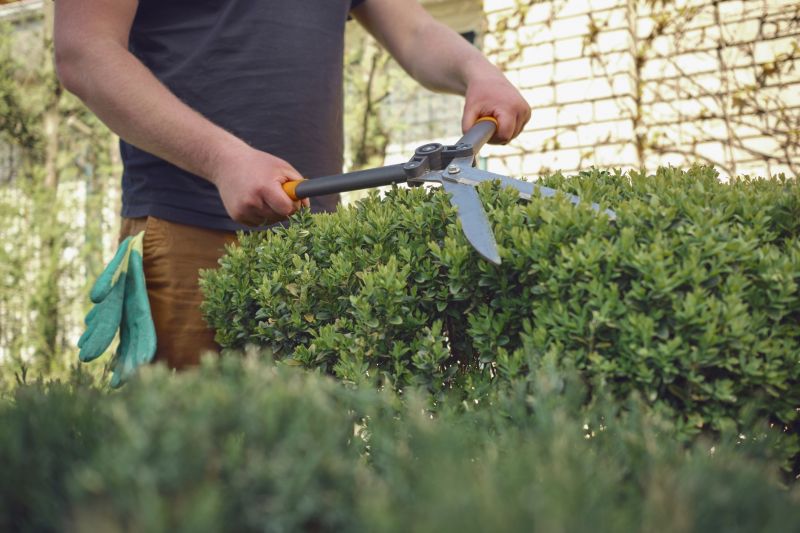
When comparing local contractors for shrub trimming services, it’s important to consider their experience with similar projects. Homeowners should look for providers who have a proven track record of handling shrub and hedge trimming tasks comparable to the scope and complexity of their own landscape. Asking about the types of properties they’ve worked on and the variety of plant species they have experience with can help ensure the contractor is familiar with the specific needs of the job. This focus on relevant experience can lead to more consistent results and help prevent issues that might arise from unfamiliarity with certain plants or landscape layouts.
Clear, written expectations are essential when evaluating potential service providers. Homeowners should seek out contractors who communicate their services, processes, and any relevant policies in a straightforward manner. Having detailed, written descriptions of what the shrub trimming will include-such as the extent of trimming, cleanup procedures, and any additional services-can help prevent misunderstandings. When expectations are clearly documented, it becomes easier to compare options and ensure that the chosen contractor understands and can deliver the desired outcome.
Reputation and communication are key factors in selecting a dependable local contractor. Homeowners are encouraged to seek references or reviews that highlight the contractor’s reliability, professionalism, and quality of work. Good communication throughout the process-such as responsiveness to inquiries and clarity in explaining services-can make the experience smoother and more predictable. While the site introduces homeowners to local options, it’s important to verify that potential service providers are reputable and transparent in their dealings, helping to foster a positive working relationship and successful shrub trimming project.
Property owners use Shrubs Trimming services for practical projects around their homes and businesses. This guide focuses on everyday jobs and straightforward project options.

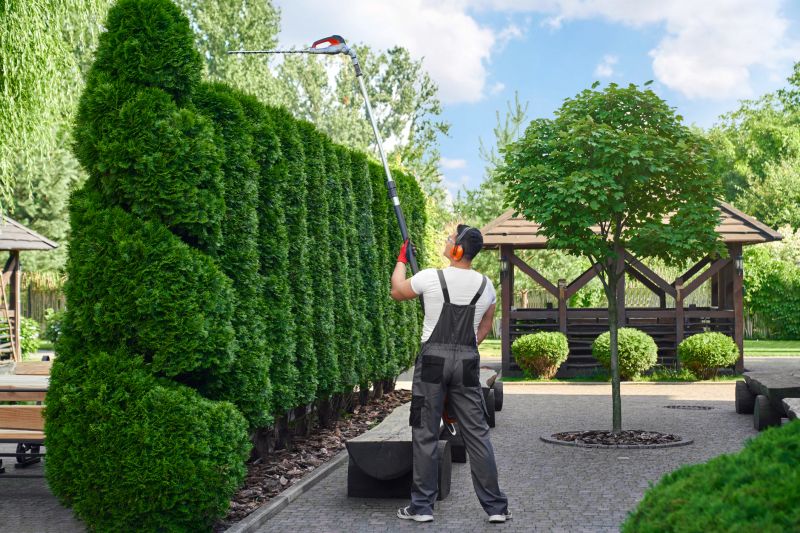
Shrubs trimming is a common task for property owners looking to maintain a neat and attractive landscape. Whether preparing for a seasonal change, clearing overgrown branches, or simply wanting to keep plants healthy, local contractors can handle regular or one-time trimming projects. Property owners often seek these services to improve curb appeal, prevent shrubs from becoming unruly, or ensure that plants do not interfere with walkways and structures.
In addition, many property owners turn to local service providers to address specific situations such as removing dead or damaged branches, shaping shrubs for aesthetic purposes, or managing growth around utility lines. These services help maintain safety and appearance, making it easier to enjoy outdoor spaces and keep landscapes tidy. Connecting with experienced local contractors can make shrub trimming straightforward and efficient for a variety of everyday property needs.
What types of shrubs can be trimmed by local service providers? Local contractors can typically handle a wide variety of shrub types, including flowering bushes, evergreen hedges, and ornamental plants, to help maintain their shape and health.
How often should shrubs be trimmed? The recommended trimming frequency depends on the shrub species and growth habits; a professional can advise on a suitable schedule to keep shrubs looking their best.
What tools are used for shrub trimming? Local pros usually use pruning shears, hedge trimmers, and loppers to carefully shape and prune shrubs without damaging them.
Can shrub trimming improve the health of my plants? Yes, proper trimming can promote healthy growth, remove dead or diseased branches, and improve air circulation within the shrub.
What should I do to prepare for shrub trimming services? It's helpful to clear the area around the shrubs and inform the service provider of any specific shaping or pruning preferences.
Hedge and shrub shaping - Property owners can maintain a neat appearance by having local contractors trim and shape their shrubs regularly.
Overgrown shrub removal - Clearing out overgrown or damaged shrubs can improve curb appeal and prevent potential damage to structures or pathways.
Seasonal shrub trimming - Regular trimming during different seasons helps keep shrubs healthy and encourages vibrant growth throughout the year.
Bush and hedge pruning - Proper pruning by local service providers can promote healthy growth and create a more inviting landscape.
If you are thinking about Shrubs Trimming for a property, this guide is meant to help you understand the work, the typical project types, and how different options might fit your plans.
When you are ready, you can use the quote form on this page to share a few details about your project. From there, local pros can review the basics and respond with options that match what you have in mind.